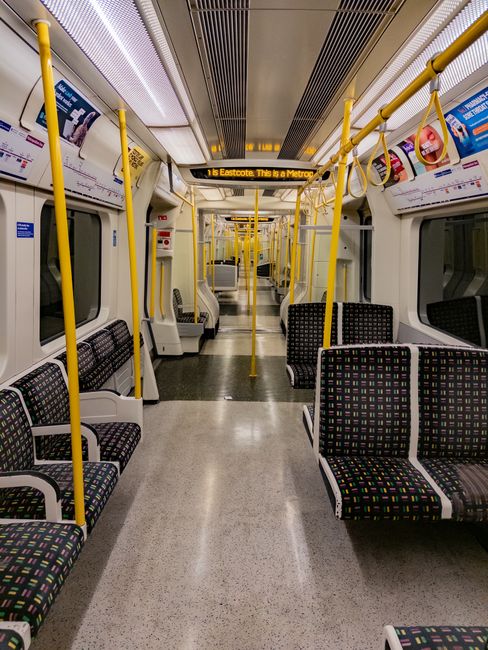
Bounds Green tube station emergency carpet cleaning N11: fast help when carpets need attention now
If you are dealing with a spill, flood mark, pet accident, or a grim patch of dirt right when life is already busy, Bounds Green tube station emergency carpet cleaning N11 is the kind of service people suddenly need without warning. One minute the carpet looks fine; the next it is soaking, stained, or starting to smell a bit off. That is never ideal, especially in a home or business near a busy transport link where footfall, weather, and day-to-day mess all seem to land at once.
This guide explains what emergency carpet cleaning means, how it works, when it makes sense, and what to do before and after a cleaner arrives. It also covers sensible expectations, common mistakes, and a few practical choices that can save you stress. Truth be told, speed matters here, but so does doing the job properly.
Contents
- Why Bounds Green tube station emergency carpet cleaning N11 Matters
- How Bounds Green tube station emergency carpet cleaning N11 Works
- Key Benefits and Practical Advantages
- Who This Is For and When It Makes Sense
- Step-by-Step Guidance
- Expert Tips for Better Results
- Common Mistakes to Avoid
- Tools, Resources and Recommendations
- Law, Compliance, Standards, or Best Practice
- Options, Methods, or Comparison Table
- Case Study or Real-World Example
- Practical Checklist
- Conclusion
- Frequently Asked Questions
Why Bounds Green tube station emergency carpet cleaning N11 Matters
Emergency carpet cleaning is not just about making a carpet look respectable again. In a local area like Bounds Green, where people move between homes, flats, shops, rented properties, and commuter spaces, carpets take a beating. Wet shoes, muddy prams, food spills, drink accidents, and the odd pet mishap all add up. When the problem is urgent, waiting days is not always realistic.
The practical issue is simple: the longer a stain sits, the more it can bond with the fibres or sink into the underlay. Moisture can also create odour problems, and in some cases encourage mould or lingering damp smells. That can be unpleasant in a living room, but in a rental property or customer-facing space, it can quickly become a bigger headache.
Near a tube station, there is also the pace of life to think about. You might be trying to clear a flat before a viewing, protect a hallway used by visitors, or deal with a spill in a business where people cannot just tiptoe around a mess for long. Emergency cleaning is valuable because it prioritises fast response and focused treatment. Not fancy. Just effective.
Expert summary: If a carpet problem is fresh, act quickly. Blot first, avoid scrubbing, and get a specialist involved sooner rather than later. The first hour often matters more than people realise.
If you are comparing services, it helps to understand how emergency support fits alongside standard carpet cleaning and more targeted stain removal. A good provider will not just wash the carpet and hope for the best. They will assess fibre type, backing, moisture level, and the source of the contamination before choosing a method.
How Bounds Green tube station emergency carpet cleaning N11 Works
Emergency carpet cleaning is usually built around speed, triage, and the right method for the problem. In plain English, the cleaner arrives, identifies the issue, and decides whether the carpet needs spot treatment, hot water extraction, low-moisture cleaning, steam-based work, deodorising, or a combination. Sometimes the answer is a fast localised treatment. Sometimes the whole room needs attention because the spill spread wider than it first looked.
The process often starts with a short phone or message assessment. You describe the accident, the material involved, and how long it has been there. Was it tea, wine, muddy water, bleach, pet urine, or something else? Did the carpet stay wet? Has anyone already tried a DIY fix? These details matter because different stains react differently to heat, pH, and cleaning chemistry. A bleach mark is not the same as a coffee stain, and pet odour is a very different animal altogether. Pun intended, sadly.
Once on site, a cleaner will normally:
- Inspect the affected area and nearby carpet condition.
- Identify the fibre and dye sensitivity where possible.
- Test a suitable cleaning solution in a discreet area if needed.
- Pre-treat the stain or contamination.
- Use the chosen cleaning method.
- Extract moisture and residue as thoroughly as possible.
- Check for repeat staining, wick-back, or odour after drying begins.
The main goal is not just removal but control. Emergency work is about limiting spread, stopping the stain from settling in, and restoring safe use as quickly as practical. For heavier contamination, a specialist may recommend related services such as pet stain odour removal or steam carpet cleaning, depending on the material and the mess.
Key Benefits and Practical Advantages
The biggest benefit is obvious: speed. But there is more to it than that.
- Reduced stain setting: Fresh marks are usually easier to lift than old, dried-in ones.
- Less odour build-up: Quick treatment helps prevent musty or sour smells from developing.
- Lower disruption: A rapid visit can get a hallway, office, or flat back into use sooner.
- Better fibre protection: Correct cleaning is gentler than repeated DIY scrubbing.
- Improved appearance for guests or customers: Handy before inspections, events, lettings, or trading hours.
- More confidence: You are not left wondering whether the problem is quietly getting worse under the surface.
There is also a psychological benefit that people do not always mention. A fresh stain can dominate your attention. You keep staring at it, walking around it, worrying that it will never come out. Once it is treated properly, the space feels calmer again. Small thing, maybe. But very real.
For homes with upholstered furniture nearby, emergency carpet cleaning is sometimes part of a bigger rescue job. Drinks, pets, and muddy shoes tend to wander across sofas and rugs too, so it can make sense to consider sofa cleaning or rug cleaning at the same time if the incident spread.
Who This Is For and When It Makes Sense
This service is for anyone with a time-sensitive carpet problem. That includes tenants, landlords, homeowners, office managers, letting agents, shop owners, and hospitality operators. It is especially relevant if the carpet is in a high-visibility area, near an entrance, or in a room that cannot be taken out of use for long.
Common scenarios include:
- Spilled drinks after a gathering or event.
- Pet accidents that need faster odour control.
- Floodwater or leaked appliance moisture.
- Mud tracked in during bad weather.
- Food grease or sauce stains.
- Pre-tenancy or post-tenancy turnaround cleaning.
- Unexpected marks before a viewing or inspection.
- Commercial premises where customers or staff will be walking through shortly.
It makes less sense when the issue is tiny, dry, and already stable, or when a full scheduled clean would be enough. Sometimes people think they need an emergency call-out, when really they just need a good standard clean booked sensibly. That is fair enough. No need to overbuy a service if the carpet is not in crisis.
For workplaces, emergency cleaning may sit alongside broader premises care, including commercial carpet cleaning and, where relevant, upholstery cleaning. The question is not only "Can this be cleaned?" but "How quickly do we need it done, and what is the risk if we wait?"
Step-by-Step Guidance
If you are dealing with a carpet emergency right now, keep the process simple. Panic is common. It does not help much, though.
- Stop the spread. Remove shoes, keep people away from the area, and place a clean towel over wet patches if needed.
- Blot, don't rub. Press gently with absorbent cloths or paper towels. Rubbing pushes the stain deeper and can rough up the fibres.
- Note what caused it. Write down the liquid or substance involved and how long ago the accident happened.
- Avoid random cleaning products. Mixing household chemicals is risky and can set certain stains permanently.
- Ventilate the room. Open a window if practical. Fresh air helps, particularly with damp odours.
- Take a quick photo. This helps document the area if you are a tenant, landlord, or managing a property.
- Ask for the right cleaning approach. Mention fibre type if you know it, but do not guess wildly.
- Keep traffic off the area. Put the room out of use until treated.
- Follow drying advice. The cleaner may recommend airflow, heat, or a wait time before normal use.
- Check the area again once dry. Some stains reappear slightly as moisture rises through the pile. If that happens, let the cleaner know promptly.
A small but useful tip: do not keep pressing the same towel into a saturated area for ages without changing it. You are just moving dirty water around after a while. Swap it out. Fresh cloth, fresh absorption, better result.
Expert Tips for Better Results
After plenty of emergency call-outs, a few patterns always show up.
- Act fast, but calmly. The first 10 to 20 minutes are often about damage control, not perfection.
- Know your carpet fibre if you can. Wool, synthetic blends, and delicate fibres respond differently.
- Keep heat in check. Some stains, especially proteins or dyes, can set if handled too aggressively.
- Watch for wick-back. A stain can come back to the surface as the carpet dries. It is annoying, but common.
- Use airflow wisely. Fans and open windows help drying, though too much direct heat can cause issues on some materials.
- Think beyond the surface. Odour and moisture can live beneath the pile, not just on top.
- Choose a provider who explains the method. If someone cannot explain why they are using a certain process, that is a bit of a red flag.
One practical observation from real jobs: hallway carpets near entrances often look "surface dirty" when they are actually holding a lot more grit in the pile. The eye misses it. Your socks do not. That is why a proper assessment matters even if the stain seems small.
If you are checking whether a cleaner is serious about good practice, it is reasonable to ask about insurance and safety and to review the company's health and safety policy. That is not overthinking. It is just sensible.
Common Mistakes to Avoid
Most carpet damage in emergencies comes from well-meant mistakes. People are trying to help. The carpet does not care about good intentions, unfortunately.
- Scrubbing hard: This spreads the stain and can fray fibres.
- Using too much water: Over-wetting can push contamination deeper and slow drying.
- Trying three cleaners at once: That can create chemical reactions or leave residues.
- Ignoring odour: If it smells wrong, the job is not finished yet.
- Waiting too long: Dried stains are harder, costlier, and less predictable.
- Not mentioning the cause: Pet urine, wine, grease, and ink all need different handling.
- Walking on the area too soon: That can re-soil fibres and flatten them while damp.
Another one: assuming a carpet needs replacing because the stain looks dreadful after the first wipe. Often it does not. Sometimes the surface mark is only part of the problem, yes, but a trained cleaner can usually do more than a casual DIY attempt suggests. Not always. But more often than people expect.
Tools, Resources and Recommendations
You do not need a van full of equipment to deal with the first stage of an emergency. A few sensible basics help a lot.
- Clean white absorbent cloths or paper towels.
- A vacuum cleaner for dry debris once the area is safe.
- Gloves if the spill involves unpleasant material.
- A bucket of plain water only if you have been advised to rinse lightly.
- Good ventilation from windows or fans.
- A note of what happened, when, and where.
For broader household textile care, it can help to keep related services in mind rather than treating the carpet as a lone island of trouble. Curtains, mattresses, and soft furnishings can all pick up spill residue or odour after an incident. Relevant options include curtain cleaning and mattress cleaning if the problem has spread or the room has been affected by damp.
When comparing providers, you may also want to look at pricing and quotes and the company's payment and security information. Clarity around costs and payment methods is a good sign, especially when you are arranging work quickly and do not want surprises.
Law, Compliance, Standards, or Best Practice
For carpet cleaning, there is rarely a single dramatic rule that solves everything. The real emphasis is on safe working, honest description, and reasonable care. In the UK, businesses handling cleaning jobs should follow general health and safety duties, use products responsibly, and avoid creating slip hazards or unnecessary moisture issues.
For tenants and landlords, it is sensible to document damage and repairs carefully. For business premises, emergency cleaning should fit into normal risk management: safe access, clear drying times, and good communication with staff or customers. If a cleaner is entering a managed property, ask how they work around access restrictions and whether they can explain their process clearly.
Environmental responsibility also matters. Water use, chemical choice, waste disposal, and the handling of reusable materials all play a part. If sustainability is important to you, check whether the provider discusses recycling and sustainability in a practical way rather than as a buzzword. That usually tells you something about how they operate day to day.
One more thing: if a company gives you a hard promise that every stain will disappear, be cautious. Different fibres, dyes, and contaminants behave differently. Honest best practice is to explain likely outcomes, not overpromise. That kind of straight talk is worth a lot.
Options, Methods, or Comparison Table
Different emergency situations call for different approaches. Here is a simple comparison to help you think it through.
| Method | Best for | Typical strengths | Watch-outs |
|---|---|---|---|
| Spot treatment | Small, fresh local stains | Fast, targeted, minimal disruption | May not solve deeper contamination |
| Steam carpet cleaning | Wider soiling or deeper fibre cleaning | Strong cleaning power, useful for embedded dirt | Needs careful drying and suitable fibres |
| Low-moisture cleaning | Time-sensitive rooms and delicate schedules | Quicker drying, less downtime | Not always enough for heavy staining |
| Odour-focused treatment | Pet accidents and lingering smells | Targets source of smell, not just surface | May need follow-up if contamination is deep |
In practice, the best choice is often a mix. A hallway spill may need spot treatment first, then a full clean later. A pet incident may need stain removal plus odour work. A business entrance may need quick drying more than anything else. That is the judgement part. No two carpets behave exactly the same, and that is where experience matters.
Case Study or Real-World Example
Imagine a small flat not far from Bounds Green where a takeaway drink has tipped over in the evening. It soaks into the lounge carpet, the person tries blotting it with a tea towel, then leaves it overnight because, well, life happens. By morning the patch is darker, the edge is wider, and there is a sweet, stale smell hanging around the room.
A practical emergency response would usually start with inspection, stain identification, and a gentle pre-treatment. If the carpet fibres are suitable, the cleaner may use a deeper extraction method, then focus on drying and residue removal. If the spill left an odour, especially in warmer weather or after a long delay, additional deodorising may be needed. The key thing is that the job is approached in stages, not rushed blindly.
Now, if that same flat also had a rug near the spill and a sofa with splash marks, it would make sense to tackle the whole space as a joined-up job rather than treating one corner and hoping the rest quietly sorts itself out. That rarely works, by the way.
People often feel relieved at this stage because the fix is no longer mysterious. There is a process. There is a plan. And there is usually still a decent chance of getting the room back to normal without replacing the carpet.
Practical Checklist
Use this quick checklist if you need to act now.
- Identify the spill or damage source.
- Blot the area gently with clean cloths.
- Keep people and pets off the carpet.
- Do not scrub, over-wet, or mix cleaners.
- Open windows if safe and practical.
- Take a photo for reference.
- Note any smells, spreading marks, or prior DIY attempts.
- Ask about the cleaning method and expected drying time.
- Check whether nearby soft furnishings also need attention.
- Review after drying for any returning stain or odour.
Quick take: the best emergency carpet clean is the one that stops a small problem from becoming a larger, more expensive one. Simple as that.
Conclusion
Bounds Green tube station emergency carpet cleaning N11 is about more than speed. It is about control, calm decisions, and getting the right treatment in place before a stain, smell, or moisture problem settles in for the long haul. Whether the issue is a drink spill, pet accident, muddy entrance, or a sudden leak, the smartest move is usually to act early and choose a method that matches the actual problem.
If you have read this far, you already know the main idea: do not panic, do not scrub the life out of the fibres, and do not leave a problem to "deal with later" if later is likely to be worse. A careful, well-explained emergency clean can make a surprising difference. And sometimes, thankfully, that is all a room needs to feel normal again.
Get a free quote today and see how much you can save.
If you want a company overview before booking, you can also learn more about the team and read the terms and conditions so you know what to expect. Small steps, but useful ones.
Frequently Asked Questions
How quickly should I arrange emergency carpet cleaning after a spill?
As soon as you can. Fresh spills are usually easier to treat than dried stains, and quick action reduces the chance of odour, spreading, and fibre damage.
Can I use hot water on every carpet stain?
No. Hot water helps in some cases, but it can also set certain stains or affect delicate fibres. It is safer to identify the spill first and choose the method carefully.
What should I do first if my carpet gets soaked?
Blot the moisture with clean cloths, keep traffic off the area, and allow ventilation. Do not scrub hard or keep pouring more water on top unless advised to do so.
Will emergency carpet cleaning remove pet urine smell?
Often it can reduce or remove the smell, but results depend on how deep the contamination has gone. If the underlay has been affected, more targeted treatment may be needed.
Is steam carpet cleaning always the best option?
Not always. Steam cleaning is effective for many situations, but some stains, fibres, or time-sensitive rooms may do better with a lower-moisture or spot-focused method.
How do I know if the stain has gone deeper than the surface?
If the mark keeps returning after drying, feels damp underneath, or still smells after cleaning, there may be deeper contamination. That is when a professional assessment helps most.
Can I walk on the carpet after it has been cleaned?
It is best to wait until it has dried properly. Walking on a damp carpet can flatten fibres and re-soil the treated area. A cleaner will usually give drying guidance.
Do emergency carpet cleaners also handle rugs and sofas?
Many do, especially if the incident has affected more than one soft furnishing. It can make sense to ask about rug or sofa cleaning if the spill spread.
What if I already tried a DIY stain remover?
Tell the cleaner exactly what you used. That information matters because some products leave residue, alter colour, or react with the next treatment.
Is emergency carpet cleaning more expensive than a normal clean?
It can be, because urgent response and specialised attention often require more immediate scheduling and targeted work. For a clearer idea, check the provider's pricing information before booking.
How do I choose a trustworthy carpet cleaning company?
Look for clear explanations, sensible expectations, safety information, and straightforward communication. It also helps if the company is transparent about policies, pricing, and what happens if a job needs follow-up.
What is the best way to prevent future carpet emergencies?
Use entrance mats, act quickly on spills, keep a few absorbent cloths handy, and avoid harsh DIY experiments. A little preparation saves a lot of stress later.