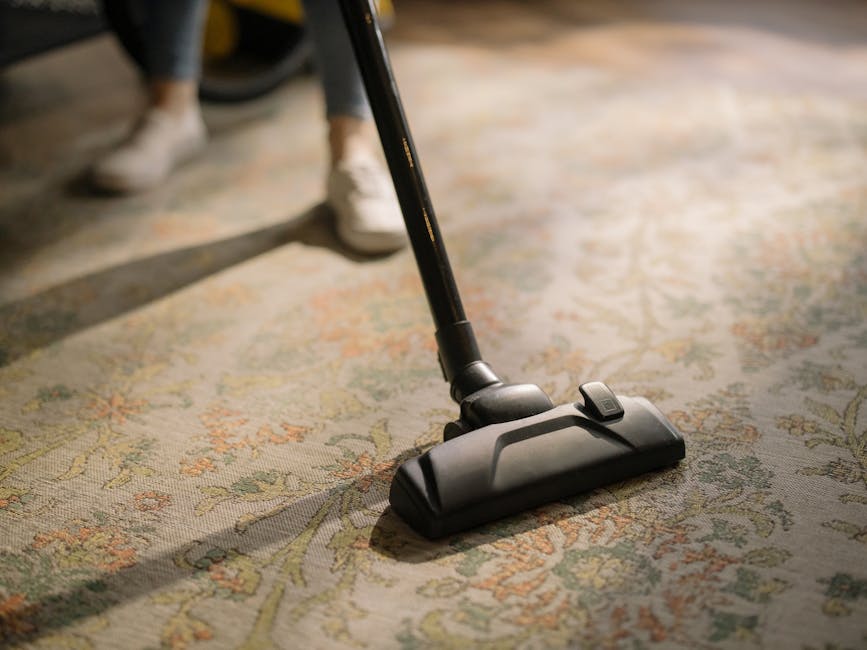
Rug cleaning and stain removal on Brownlow Road Bounds Green
If your rug has picked up a tea spill, muddy footprints, pet odour, or that mysterious dark patch that appeared after a busy week, you are not alone. Rug cleaning and stain removal on Brownlow Road Bounds Green is one of those jobs that looks simple until you actually start lifting fibres, testing products, and hoping the mark will not spread. Truth be told, rugs can be more delicate than carpets and less forgiving than a sofa throw, especially when they are wool, silk-blend, hand-knotted, or backed with latex that hates too much moisture.
This guide walks through what proper rug care involves, how stain removal is usually approached, what to avoid, and how to decide when a professional clean makes more sense. If you want a broader view of related floor and fabric care, you may also find the site's rug cleaning service information and stain removal guidance useful while you compare options.
Brownlow Road is the sort of place where homes see real everyday use: shoes by the door, family life, visitors coming and going, the odd rainy day, and, let's face it, the occasional spill that seems to happen in slow motion. So the goal here is not perfection for its own sake. It is practical, safe cleaning that protects the rug, restores freshness, and gets the result you can actually live with.
Expert summary: The best rug cleaning results usually come from matching the method to the fibre, treating stains early, and avoiding over-wetting. That combination matters more than any single miracle product.
Table of Contents
- Why rug cleaning and stain removal matters
- How the cleaning process works
- Key benefits and practical advantages
- Who needs this and when it makes sense
- Step-by-step guidance
- Expert tips for better results
- Common mistakes to avoid
- Tools, resources and recommendations
- Law, compliance, standards and best practice
- Options, methods and comparison table
- Case study or real-world example
- Practical checklist
- Conclusion
- Frequently asked questions
Why Rug cleaning and stain removal on Brownlow Road Bounds Green Matters
Rugs do more than decorate a room. They absorb foot traffic, soften sound, anchor furniture, and quietly collect dust, grit, pollen, food particles, and spills. In a busy household, that build-up becomes more than a cosmetic issue. It can make a rug look tired, smell stale, and wear out faster than it should.
On Brownlow Road, where homes may be dealing with compact living spaces, shared hallways, or family activity around dining and living areas, rug care matters for a few practical reasons. A clean rug lifts the room. A stained rug pulls the eye immediately. And if the stain is organic, oily, or pet-related, it can become harder to deal with the longer it sits.
There is also the simple comfort factor. You notice it when you walk in barefoot and the rug feels gritty. Or when a room has that faint, closed-in smell even after a quick tidy. Proper cleaning changes that. Not dramatically in a flashy way, just quietly and usefully.
Another point many people miss: some stains are not just stains. They can be dye transfer, sugar residue that attracts dirt, or a fibre distortion caused by previous DIY cleaning. What looks like one problem may be three. That is why a careful approach matters more than a quick scrub.
If the rug is part of a larger soft-furnishing clean, it can also make sense to coordinate it with other services such as upholstery cleaning or, for heavily used flooring, carpet cleaning. The rooms tend to age together, after all.
How Rug cleaning and stain removal on Brownlow Road Bounds Green Works
Good rug cleaning usually starts with inspection, not chemicals. That sounds obvious, but people skip it all the time. A proper check identifies the fibre type, backing, construction method, colour stability, and the nature of the stain. Wool behaves differently from polypropylene. Natural dyes behave differently from synthetic dyes. A fringed rug needs a lighter touch than a flatwoven one. Small details, big difference.
From there, the process generally follows a few core stages:
- Dry soil removal: Loose grit and dust are lifted first. This reduces abrasion and prevents dirt from turning into mud once moisture is introduced.
- Pre-treatment: The stain is identified and, where suitable, treated with a targeted solution. Not all stains need the same chemistry. Tea, coffee, grease, ink, wine, and pet accidents each behave differently.
- Controlled agitation: Gentle action helps the solution reach the stain without roughing up the pile. Think careful working, not aggressive scrubbing.
- Rinsing or extraction: The area is cleaned to remove residue. Residue left behind can attract dirt later and make the rug feel sticky or stiff.
- Drying: The rug is dried thoroughly and evenly. This is one of the most important stages, because lingering damp can cause odour, rippling, or in some cases dye migration.
Specialist rug cleaning on delicate pieces may use dry compound methods, low-moisture cleaning, or hand-washing techniques rather than full wet extraction. That depends on the rug. There is no one-size-fits-all answer, despite what some product labels might suggest with suspicious confidence.
For stubborn odours, especially pet-related issues, a treatment focused on deodorising and contamination control may be needed. In that case, pet stain and odour removal is often the more relevant service to look at than standard surface cleaning alone.
Key Benefits and Practical Advantages
The benefits of proper rug cleaning are fairly easy to see once it is done, but the less obvious ones matter too.
- Improved appearance: Colours look clearer, patterns look sharper, and the rug stops blending into the room in that dull, flat way.
- Better hygiene: Dust, allergens, crumbs, and general grime are removed rather than just pushed around.
- Longer rug life: Grit trapped in fibres acts like sandpaper. Removing it helps preserve texture and structure.
- Odour reduction: Spills and pet contamination can create lingering smells that vacuuming will not fix.
- Safer maintenance: Less residue means less risk of re-soiling, sticky patches, or fibre damage from repeated DIY spot cleaning.
There is also a financial angle. Replacing a decent rug can be expensive, especially if it is handmade or has sentimental value. A careful clean can often extend its usable life by quite a margin, which is why many homeowners and landlords prefer restoration before replacement.
And honestly, a freshly cleaned rug changes the feel of a room. It is one of those quiet wins. You notice it most in the evening when the lamps are on and the fibres look soft again instead of shadowy and tired.
Who This Is For and When It Makes Sense
Rug cleaning and stain removal on Brownlow Road Bounds Green makes sense for a wide range of people, but the reasons differ a bit.
Households with children often need help with drinks, snacks, paint, mud, and the occasional surprise that lands right in the middle of the rug. The sooner the stain is handled, the better the chance of a clean result.
Pet owners face another layer of challenge. Pet hair, saliva, urine, and lingering scent can work their way deeper than a standard surface clean reaches. If you have ever cleaned the same area three times and still caught a smell the next morning, you will know the frustration.
Renters and landlords may need rug cleaning before inspections, tenancy changes, or after a spill that needs documenting and resolving quickly. A rug can influence the overall impression of a room, fair or not.
Older or valuable rugs need specialist judgement. Antique pieces, wool rugs, viscose blends, and handwoven items can be damaged by the wrong detergent or too much water. In these cases, caution is part of the service, not a bonus.
Busy professionals often just want the job done properly the first time. No guesswork, no lingering smell, no half-dry rug draped awkwardly over a chair for two days. Sensible, really.
If the rug is one part of a broader home refresh, people often combine it with sofa cleaning or mattress cleaning so the whole room feels cleaner, not just one object.
Step-by-Step Guidance
If you are dealing with a rug stain now, here is a practical sequence that gives you the best chance of success without making things worse.
1. Act quickly, but do not rush
Blot fresh spills with a clean white cloth or plain paper towel. Press gently. Do not grind the stain deeper. Speed helps, but panic does not. That is one of life's more annoying little truths.
2. Identify the stain if you can
Tea and coffee are different from oil, paint, wax, ink, or pet urine. A water-based stain may respond to different treatment than a greasy one. If you do not know the source, start conservatively and test first.
3. Test in a hidden area
Before using any solution, test on the edge or underside of the rug. Check for colour bleed, fibre distortion, or residue changes once dry. This matters even more on dyed natural fibres.
4. Use the mildest effective method
For many small spots, a little cool water and blotting is enough. For oily or sticky marks, a specialist pre-treatment may be needed. Add only what is necessary. Rugs do not like being drenched just because we were feeling hopeful at 8:30 on a Tuesday morning.
5. Work from the outside in
Treat the edge of the stain first and move inward. This helps stop the mark from spreading. On pile rugs, use gentle dabbing rather than circular scrubbing, which can fray the fibres and create a fuzzy patch.
6. Remove residue properly
Whatever product you use, make sure it is lifted out afterwards. Leftover detergent can trap dirt and create a new patch that attracts attention for all the wrong reasons.
7. Dry thoroughly
Air movement matters. Open windows if weather and security allow. Use ventilation. If the rug is thick, lift it slightly so the underside can dry too. Damp trapped in the backing is one of the fastest routes to unpleasant odour.
8. Reassess after drying
Some stains look better while wet, then return faintly when dry. That does not always mean failure; sometimes it just means the stain was deeper than surface-level cleaning could reach. A second, targeted pass may help, but only if the rug can handle it.
Expert Tips for Better Results
There are a few small habits that consistently improve outcomes.
Always think fibre first. Wool, cotton, jute, sisal, viscose, silk, and synthetics all react differently. If you are unsure, treat the rug as delicate until proven otherwise. That rule prevents a lot of regret.
Keep water use controlled. More water does not equal better cleaning. It can spread stains, weaken backing, and create tide marks. Low moisture often wins on rugs, particularly in flats and terraced homes where drying time matters.
Handle pet stains with care. Urine can penetrate into the backing and leave crystals that re-activate with moisture. Surface cleaning alone may reduce the look but not fully address the smell. This is where targeted treatment helps.
Do not chase one stain with five products. Mixing cleaners is a bad idea. At best, the result is residue. At worst, you get fibre damage or colour loss. Less is more, annoyingly enough.
Protect the cleaned area afterwards. Once dry, consider rotating the rug or moving furniture slightly so wear is spread more evenly. A clean rug under the same heavy chair leg forever will just age there first.
Ask about drying and aftercare. If a service provider cannot explain how the rug will be dried, finished, and checked, that is a useful sign to slow down and ask more questions.
When in doubt, a professional approach backed by insurance and safety guidance offers more peace of mind than a confident guess with a bottle from under the sink.
Common Mistakes to Avoid
Most rug damage I see comes from well-meant DIY attempts rather than one catastrophic event. A few common errors keep repeating, though.
- Scrubbing too hard: This can distort pile, lift fibres, and spread the stain.
- Using hot water without checking the fibre: Heat can set protein stains and affect dyes.
- Over-wetting the rug: Too much moisture can soak the backing and cause rippling or odour.
- Using bleach or harsh stain removers: These may remove colour as well as the stain. Not ideal.
- Ignoring the backing and fringe: A rug is not just what you see on top.
- Waiting too long to act: Old stains bond more tightly to fibres and often become permanent or semi-permanent.
- Skipping a test patch: A five-second test can save a very expensive mistake.
A surprisingly common issue is the "looks clean until dry" problem. People clean a patch, it dries with a halo, and suddenly it looks worse than before. That usually means residue, uneven moisture, or a mark that has migrated. Frustrating, yes. Fixable, sometimes. Avoidable, often.
Tools, Resources and Recommendations
You do not need a house full of specialist kit to manage simple rug care, but a few sensible tools help:
- white microfibre cloths or plain absorbent towels
- a vacuum with adjustable suction
- a soft brush for gentle fibre lifting
- clean water in a spray bottle for controlled dampening
- a mild, fibre-safe cleaning solution where appropriate
- gloves if you are handling pet-related contamination
- fans or good ventilation for drying
If the rug is valuable, handmade, antique, or made from a sensitive fibre, the best recommendation is often not more DIY. It is a careful assessment and a tailored method. For many households, the practical route is to compare rug treatment with related fabric care such as steam carpet cleaning where suitable, or specialist upholstery cleaning if the whole living area needs refreshing.
If you are trying to decide on price, scope, or booking expectations, the page on pricing and quotes is a sensible place to start. It helps to know what is being included before anyone arrives with equipment and a plan that does not match your actual rug.
Law, Compliance, Standards, or Best Practice
Rug cleaning itself is not a heavily regulated activity in the way some trades are, but good practice still matters. In the UK, the key expectations are straightforward: use products safely, follow manufacturer guidance where available, avoid unsafe handling of chemicals, and take care not to damage property.
For homes and small businesses, best practice usually means:
- checking whether the rug has a care label or maker guidance
- testing products before full application
- avoiding unsafe mixing of chemicals
- keeping the work area ventilated
- protecting floors and nearby furnishings during cleaning
- ensuring reasonable drying time before use
If a service involves handling cleaning agents or working in occupied premises, clear safety procedures matter. That is why policies covering safe methods, equipment use, and insurance are worth checking before you book. You do not need pages of jargon, just sensible reassurance that the job will be handled properly.
For transparency around service terms, many readers also like to review terms and conditions, especially if the rug is delicate or if access is awkward. It is not glamorous reading, but it can prevent misunderstandings.
Options, Methods, or Comparison Table
Different rugs need different approaches. Here is a plain-English comparison to help you think it through.
| Method | Best for | Advantages | Limitations |
|---|---|---|---|
| Spot cleaning | Small fresh spills | Quick, low-cost, minimal disruption | Not suitable for deep staining or odour |
| Low-moisture cleaning | Delicate rugs, faster drying needs | Reduced risk of over-wetting, good for busy homes | May not fully remove very deep contamination |
| Hand washing | Fine, valuable, or handwoven rugs | Careful control, tailored treatment | More time-consuming, needs expertise |
| Hot water extraction | More robust rugs and some synthetic fibres | Strong soil removal, deeper refresh | Not right for all fibres or backings |
| Odour-focused treatment | Pet incidents and lingering smells | Targets the cause, not just the appearance | May require multiple stages |
In practice, the right method depends less on the stain type alone and more on the whole rug. A small wine mark on a synthetic rug is a different job from the same mark on a handwoven wool piece. Same stain, very different decision.
Case Study or Real-World Example
A typical example from a Brownlow Road household might go like this. A family places a wool rug in the living room because it softens the space and stops the room feeling echoey. Over a few months, it picks up ground-in dirt near the sofa, a tea splash by the armchair, and one pet accident near the edge after a late-night scramble to get outside. Nothing dramatic. Just life.
At first, they try a supermarket cleaner on the tea mark. It seems to work, but the patch dries slightly lighter around the edges. The pet area still smells faintly after vacuuming. The rug now has a few different problems instead of one.
A more careful approach starts with inspection and testing. The tea stain gets a targeted pre-treatment, the affected area is cleaned with controlled moisture, and the pet zone is treated separately for odour. The backing is checked to make sure no damp remains. After drying, the room smells fresher, the pile sits more evenly, and the rug looks closer to its original tone.
The useful lesson here is simple: one generic product rarely solves a mixed problem. Stains, smells, and wear often need different treatments. That is normal, not a failure.
Practical Checklist
Use this quick checklist before, during, or after rug cleaning.
- Identify the rug fibre if possible
- Test any cleaning product on a hidden area
- Blot spills, do not rub hard
- Choose the mildest effective treatment first
- Avoid soaking the rug or backing
- Lift residue thoroughly after cleaning
- Allow full drying before walking on it
- Check for colour bleed or tide marks once dry
- Treat pet odours separately if needed
- Review aftercare and maintenance advice
Quick reminder: if the rug is valuable, fragile, or emotionally irreplaceable, go slower. There is no prize for speed here.
If you are planning a full-home refresh, it can also help to review the company's about us page to understand the approach, and the recycling and sustainability information if eco-conscious cleaning is part of your decision-making.
Conclusion
Rug cleaning and stain removal on Brownlow Road Bounds Green is really about matching the right method to the right problem. That means thinking about fibre type, stain type, drying time, and how much risk the rug can reasonably handle. The best results usually come from early action, careful testing, and avoiding the temptation to overdo it with water or chemicals.
For some rugs, a simple spot treatment is enough. For others, especially valuable, delicate, or pet-affected pieces, a more tailored service is the safer route. Either way, the goal is the same: a rug that looks better, smells fresher, and lasts longer in the home you actually live in.
Get a free quote today and see how much you can save.
And if you are still weighing up the next step, take your time. A rug worth keeping deserves a little care, not a rushed guess.
Frequently Asked Questions
How often should I have a rug professionally cleaned?
It depends on traffic, fibre type, pets, and whether the rug sits in a busy room. For some homes, once a year is sensible; for others, less often may be fine. If the rug is in a high-use space, you will usually notice dullness or build-up before you notice a major stain.
Can I remove a stain from a rug myself?
Yes, small fresh spills can often be improved at home with careful blotting and a fibre-safe method. The key is to avoid scrubbing, avoid soaking, and test first. If the stain is old, oily, or unknown, DIY can make it harder to treat later.
Why does a stain sometimes come back after cleaning?
That can happen when residue remains, moisture draws hidden soil to the surface, or the stain has migrated from deeper in the fibres. It does not always mean the clean failed. Sometimes it means the stain was deeper than it first appeared.
Are wool rugs harder to clean than synthetic rugs?
Usually, yes. Wool is more sensitive to heat, harsh chemicals, and excessive moisture than many synthetic materials. That does not mean it cannot be cleaned well, only that the method needs more care.
How do you deal with pet urine on a rug?
Pet urine needs more than surface cleaning because it can penetrate the fibres and backing. A treatment that targets both stain and odour is usually the better option. If the smell lingers after drying, more work may be needed rather than just another quick spray.
Will cleaning remove all stains completely?
Not always. Some stains permanently alter dye or fibre structure, especially if they have been set by heat or left for a long time. A good cleaner should explain what is realistic before starting, rather than promising a perfect outcome every time.
How long does a rug take to dry?
Drying time varies with fibre, thickness, cleaning method, and room ventilation. A lightweight synthetic rug may dry much faster than a dense wool piece. Good airflow helps, and patience helps more than people like to admit.
Is steam cleaning suitable for all rugs?
No. Some rugs can handle steam or hot water extraction well, but delicate natural fibres, antique pieces, or sensitive backings may not be suitable. The right method depends on the rug, not the machine.
What should I do before a cleaner arrives?
Clear the rug area, note any specific stains, mention pets or previous cleaning attempts, and if possible, tell them the rug fibre or origin. A little context saves a lot of guesswork and usually gives a better result.
Can rug cleaning help with allergies?
It can help reduce dust, pollen, and general debris trapped in the fibres. It is not a medical treatment, of course, but a cleaner rug can make the room feel fresher and less stuffy, especially in closed-up homes.
What is the main mistake people make with rug stains?
The biggest mistake is usually rubbing too hard or using too much liquid too quickly. That tends to spread the problem and can make the rug look patchy. Slow, careful cleaning almost always beats enthusiastic scrubbing.
How do I choose between cleaning the rug myself and booking a professional?
If the stain is small, fresh, and on a robust synthetic rug, DIY may be enough. If the rug is valuable, delicate, badly stained, or smells after a pet accident, professional help is usually the safer route. When in doubt, it is better to pause than to risk damage.